
What to Expect When You Get a Dental Filling at Glenwood Dental Associates
Understanding exactly what happens during a dental filling appointment removes the guesswork that drives most dental anxiety. The procedure is brief, predictable, and far less uncomfortable than most patients expect. At Glenwood Dental Associates in Smyrna, DE, Dr. Brian Wisk walks every patient through each step before treatment begins, because a well-informed patient is a more comfortable one. Patients from Dover, Clayton, and Middletown regularly visit our Smyrna office for restorative care, and this page gives you a clear picture of what that visit actually looks like.
If you have a cavity that needs attention or a tooth that has been sensitive, call Glenwood Dental Associates at (302) 653-5011 to schedule your evaluation.
Precision Restorative Care Powered by Digital Technology
 The accuracy of a filling depends heavily on what the dentist can see before and during treatment. At Glenwood Dental Associates, Dr. Wisk uses digital X-rays and intraoral photography to build a complete diagnostic picture of each tooth before any preparation begins. Digital X-rays detect decay in its earliest stages, often before it produces any symptoms, giving patients the opportunity to treat cavities conservatively rather than waiting until more tooth structure is lost.
Intraoral photography allows Dr. Wisk to show patients exactly what he is seeing, which changes the conversation from “trust me” to “here is the evidence.” Patients leave understanding their diagnosis rather than just accepting it, and that clarity makes a real difference in treatment outcomes.
Step-by-Step: The Dental Filling Procedure
The following steps apply to a standard composite resin filling, which is the material used for most restorations at Glenwood Dental Associates. Notes on how the process differs for other materials are included where relevant.
Diagnosis and Treatment Planning
A filling appointment begins with an accurate diagnosis, not a drill. Dr. Wisk reviews your symptoms, performs a clinical exam, and takes digital X-rays if current images are not on file. Digital X-rays produce high-resolution images at a fraction of the radiation exposure of traditional film, allowing Dr. Wisk to assess the full extent of decay, its proximity to the pulp, and the condition of surrounding bone.
Based on those findings, Dr. Wisk determines whether a direct filling is appropriate or whether a deeper restoration is indicated. If the cavity requires a protective liner beneath the filling, this is explained before treatment begins. Patients are never surprised mid-procedure by a change in plan.
 Shade Selection (Composite Fillings)
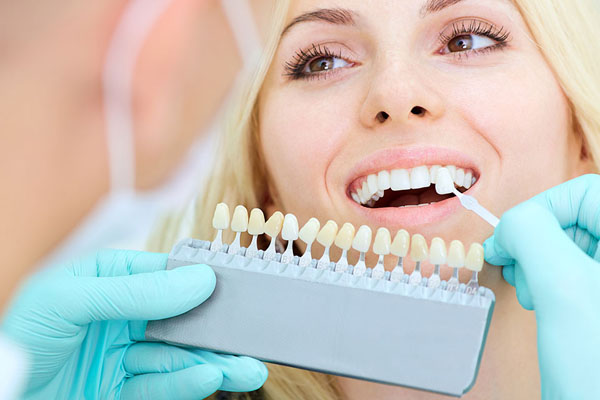 Shade Selection (Composite Fillings)
For composite resin fillings, shade matching is done before any preparation begins, while the tooth is fully hydrated and at its natural color. Dr. Wisk selects the composite shade that most closely matches the surrounding enamel. This step takes only a moment but makes a significant difference in the final appearance of the restoration.
Preparation
A topical anesthetic gel is applied to the gum tissue before the injection to minimize discomfort. Within minutes, the tooth and surrounding tissue are fully numb. Most patients feel pressure and movement during the procedure, but no pain. The anesthesia typically lasts two to four hours, so patients should avoid eating on the treated side until full sensation returns.
The tooth is isolated from saliva using a rubber dam or cotton rolls. Composite resin bonding is moisture-sensitive, and a dry field is essential to forming the adhesive bond that determines how long the filling lasts.
 Decay Removal
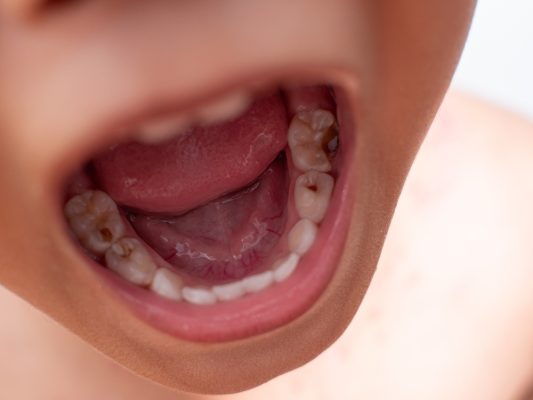 Decay Removal
Dr. Wisk removes all decayed tissue using a dental handpiece with water spray, preserving as much healthy enamel and dentin as possible. Composite requires less tooth removal than amalgam because it bonds adhesively rather than relying on mechanical retention. If the cavity is unusually deep, a protective liner is placed over the dentin closest to the pulp before proceeding.
Bonding
The prepared cavity is etched with a mild phosphoric acid solution, rinsed, and dried. A bonding agent is applied and light-cured, creating the adhesive foundation that locks the composite to the tooth and reinforces the remaining tooth walls.
Composite Placement and Curing
Composite resin is placed in incremental layers of one to two millimeters, with each layer shaped and cured before the next is added. This incremental technique reduces shrinkage stress at the restoration margins and helps maintain a tight seal over time. Dr. Wisk sculpts each layer to recreate the natural anatomy of the tooth, including the cusps and fissure pattern that influence how upper and lower teeth contact during chewing.
Bite Check and Occlusal Adjustment
Articulating paper marks where the upper and lower teeth make contact. Any high spots are identified and adjusted before you leave the chair. A filling that is even slightly elevated can cause soreness, sensitivity, and accelerated wear if left uncorrected, and it is far easier to address at the appointment than after the anesthesia has worn off. If anything still feels off once sensation returns, call us at (302) 653-5011 for a quick adjustment.
Finishing and Polishing
The restoration is finished with polishing burs and discs that smooth rough spots and create a surface texture close to natural enamel. A well-polished composite resists staining, feels natural to the tongue, and is easier to keep clean long-term.
Most single-tooth composite fillings are completed in 45 to 75 minutes from start to finish.
How the Process Differs for Other Filling Materials
Amalgam Fillings
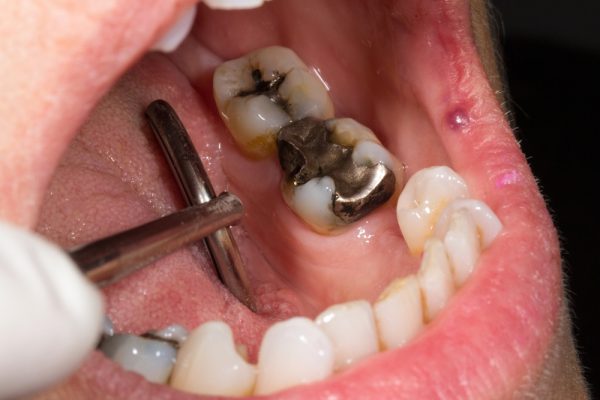
The preparation for an amalgam filling requires a different cavity shape than that of a composite. Because amalgam does not bond to tooth structure, the preparation must include undercuts (wider at the base than at the surface) that mechanically lock the material in place. This means a slightly healthier tooth structure is removed compared to composite. The material is condensed into the prepared cavity and carved to shape before it sets. There is no curing light step. Patients are advised to avoid chewing on the filled tooth for 24 hours while the amalgam reaches full hardness.
Ceramic Inlays and Onlays
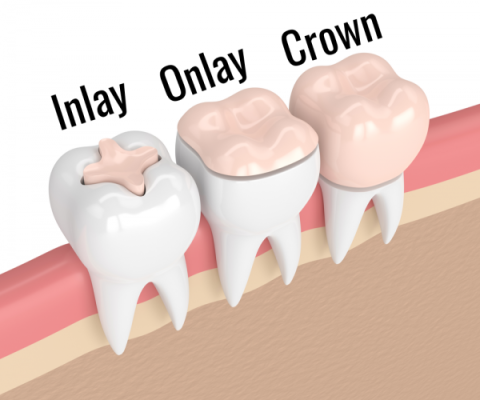
For very large cavities where a direct filling would not provide sufficient structural support, a ceramic inlay or onlay may be the better option. The preparation process is similar to a filling, but after the cavity is prepared, an impression or digital scan is taken and sent to a dental laboratory. A temporary restoration is placed. The ceramic restoration is fabricated over one to two weeks and then bonded at a second appointment. The result is a highly durable, precisely fitting restoration that performs well in high-load locations.
Aftercare Following a Dental Filling
Recovery from a composite filling is minimal. The composite is fully hardened immediately after curing, so there is no waiting period before eating. Once anesthesia wears off, normal eating can resume. Avoid very hard foods on the treated side for the first day as a precaution.
Long-term dental filling care requires nothing beyond consistent oral hygiene. Brushing twice daily with fluoride toothpaste and flossing daily protects the margins of the filling, where secondary decay most commonly begins. Patients who grind their teeth at night should wear a custom night guard consistently, as bruxism places far more stress on composite restorations than normal chewing forces.
Sensitivity After the Appointment
Mild temperature sensitivity in the days following the procedure is normal as the tooth adjusts to the new restoration. This typically resolves within one to two weeks. If sensitivity worsens over time, becomes spontaneous, or is accompanied by persistent pain, contact our office so Dr. Wisk can evaluate whether the pulp needs further attention.
Patients from Dover, Clayton, Middletown, and across the Smyrna area trust Glenwood Dental Associates for restorative care that is thorough, honest, and designed to last. If you have questions about an upcoming filling or want to schedule an evaluation, call us at (302) 653-5011.
Frequently Asked Questions
With adequate local anesthesia in place, patients should not feel pain during a filling. What most patients do feel is pressure, vibration from the handpiece, and the occasional sensation of water spray, none of which is painful. If you feel discomfort during the procedure, raise your hand, and Dr. Wisk will stop and assess whether additional anesthetic is needed. It is not uncommon to need a small supplemental injection, particularly for lower molars, and there is no reason to push through discomfort when more anesthesia is a simple option.
A single composite resin filling on a straightforward cavity typically takes 45 to 60 minutes. Larger fillings, multiple surfaces, or teeth that require additional steps, such as a protective liner or more involved decay removal, may take closer to 75 to 90 minutes. Patients having multiple fillings placed at the same appointment should expect a longer visit accordingly. Dr. Wisk’s team will give you an estimated timeframe when you schedule so you can plan your day appropriately.
Call Glenwood Dental Associates at (302) 653-5011 and come in for a quick bite adjustment. A filling that feels slightly elevated after the anesthetic wears off is a common and easily corrected issue. It does not mean anything went wrong with the procedure. Left uncorrected, a high bite can cause soreness in the jaw, sensitivity in the tooth, and accelerated wear on the restoration, so it is worth addressing promptly rather than hoping it will self-correct.
Yes. Dental fillings are performed under local anesthesia only, which does not affect your ability to drive or operate normally. Most patients drive themselves to and from filling appointments without any issue. The main thing to be mindful of is that the numbness in your lip, cheek, or tongue will persist for two to four hours after the appointment, so be careful not to bite the numb tissue while eating.
Yes. Let Dr. Wisk know if you take any medications, including blood thinners, bisphosphonates, or medications that affect healing. Inform the team if you have any known allergies to dental materials, local anesthetics, or latex. If you are pregnant, that should also be communicated before the appointment so that appropriate material choices and precautions are applied. Patients who experience significant dental anxiety are encouraged to mention it when scheduling so the team can plan accordingly.
Schedule Your Filling Appointment in Smyrna
Getting a filling at Glenwood Dental Associates is a clear, comfortable, and efficient process from diagnosis through aftercare. Dr. Brian Wisk takes time to explain what is happening at each step, and our team is experienced in helping patients feel at ease throughout their visit.
Our dental office in Smyrna, DE, is convenient for patients across Kent County, including those traveling from Dover, Clayton, and Middletown. Call Glenwood Dental Associates at (302) 653-5011 to book your appointment or ask any questions about your upcoming visit.