
Who Qualifies for Dental Fillings and What the Evaluation Involves
Most people will need at least one dental filling in their lifetime. But the word “filling” covers a range of clinical situations, and not every problem tooth is a straightforward filling case. Some teeth need more than a filling. Others that patients assume need treatment turn out to be fine. The only way to know for certain is through a proper clinical evaluation with current diagnostic images.
At Glenwood Dental Associates in Smyrna, DE, Dr. Brian Wisk assesses each patient individually before recommending any restorative treatment. Patients from Dover, Clayton, and Middletown visit our Smyrna office for filling evaluations and leave with a clear picture of their oral health and a treatment plan that reflects their specific situation rather than a generic recommendation. This page explains what goes into that evaluation and what factors determine whether a dental filling is the right course of action.
If you have a sensitive tooth, visible decay, or a filling that feels worn or loose, call Glenwood Dental Associates at (302) 653-5011. Dr. Wisk will evaluate your tooth and give you an honest assessment of what treatment, if any, is indicated.
What Makes Someone a Good Candidate for a Dental Filling
The most straightforward candidates for dental fillings are patients whose tooth decay has not yet progressed beyond the enamel and outer dentin layers. At this stage, the affected tooth still has sufficient healthy structure remaining to support a direct restoration, and the dental pulp (the nerve and blood supply at the center of the tooth) has not been compromised.
Good candidacy involves more than just the state of the cavity itself, though. Several factors are evaluated together:
Extent and Depth of Decay
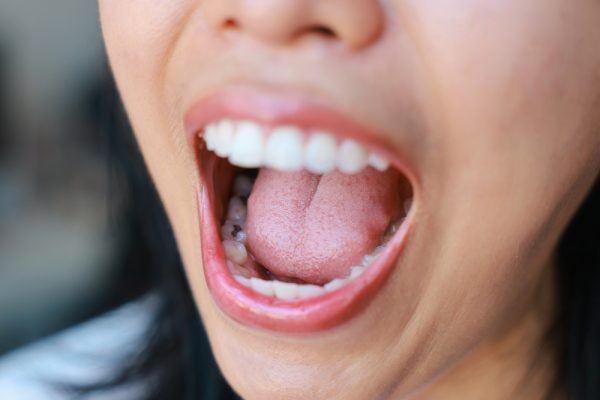 Decay confined to the enamel or the outer portion of dentin is reliably treatable with a direct filling. When decay penetrates more deeply into dentin or reaches within close proximity of the pulp, the clinical picture becomes more complex. A very deep cavity may require a protective liner beneath the filling, or in some cases, a referral for root canal therapy before a permanent restoration can be placed.
This is why early diagnosis matters. A cavity caught at a routine exam when it is small is almost always a clean filling case. The same cavity left untreated for another year or two may require significantly more involved treatment.
Remaining Tooth Structure
A filling needs walls. When enough healthy tooth structure surrounds a cavity, the filling material has adequate support, and the restoration holds up well under biting and chewing forces. When a cavity is very large or when a tooth has fractured significantly, there may not be enough remaining structure to support a direct filling. In those situations, a crown (which covers the entire visible portion of the tooth) provides the structural support that a filling cannot.
This is also a common finding when old, large amalgam fillings fail. After decades of use, the tooth walls surrounding a big silver filling can become weakened or cracked, and simple replacement with composite resin is not always sufficient. Dr. Wisk evaluates this on a case-by-case basis and recommends the most conservative option that will hold up clinically.
Overall Oral Health
Active gum disease or untreated infections in neighboring teeth should generally be addressed before placing a new filling. This is not a hard rule, but placing a restoration in a mouth with uncontrolled infection or significant periodontal disease introduces variables that can affect healing and long-term outcomes. In many cases, Dr. Wisk will stage treatment so that foundational oral health is stabilized first.
Oral Hygiene Habits
A filling placed in a tooth surrounded by ongoing poor hygiene is at much higher risk of developing secondary decay at its margins. This does not mean patients with imperfect brushing habits cannot get fillings, but it does mean that candidacy evaluation includes a candid conversation about home care. If there are significant hygiene concerns, Dr. Wisk will address them directly and often recommend hygiene support alongside restorative treatment.
Known Material Sensitivities
True allergies to dental filling materials are uncommon but do occur. Sensitivity to mercury-containing amalgam, to certain composite resin components, or to dental bonding agents has been documented. Patients with known sensitivities should disclose them before treatment so that an appropriate material can be selected. In most cases, a suitable alternative exists.
Who May Need Something Other Than a Filling
When a Crown Is More Appropriate
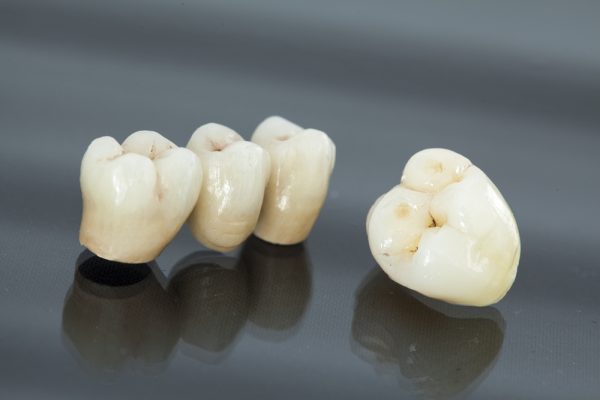 A dental crown becomes the better choice when a cavity is too large for a direct filling to provide adequate strength, when a tooth has fractured in a way that leaves the remaining structure vulnerable, or when an old, large filling has failed, and the surrounding tooth walls are too compromised to retain a new direct restoration. Crowns cover the full visible surface of the tooth, protecting it from fracture and restoring its function completely.
When Root Canal Therapy Is Needed First
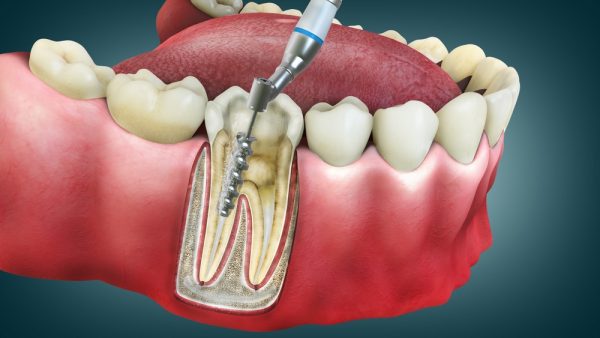 If decay has reached the dental pulp, or if the pulp has become infected or inflamed as a result of deep decay, a filling alone will not resolve the problem. Root canal therapy removes the affected pulp tissue, the canals are shaped and sealed, and then a permanent restoration is placed. This sequence restores the tooth to function without the pain and risk that come from leaving a pulp infection untreated.
When Extraction Is the Right Call
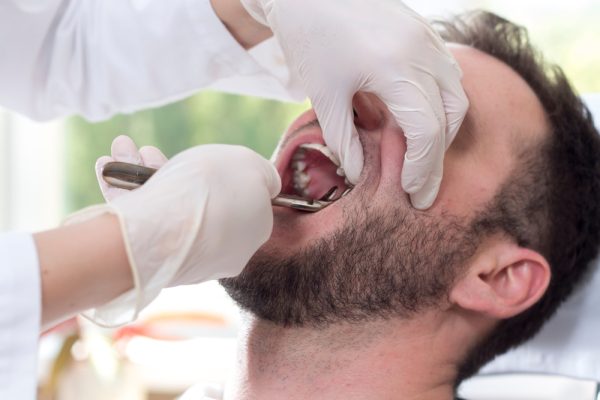 In cases where a tooth is so extensively decayed, fractured, or structurally compromised that no restoration can predictably save it, tooth extraction may be the most clinically responsible recommendation. Dr. Wisk does not recommend extraction lightly, and he will always explain the reasoning clearly when it applies. Tooth replacement options, such as dental implants or dental bridges, are discussed at the same time so patients understand the full picture.
Frequently Asked Questions
The only reliable way to determine this is through a clinical examination combined with current diagnostic X-rays. Some patients with significant cavities have very little pain, while others with mild decay experience noticeable sensitivity. Symptoms alone are not a reliable guide to the extent of decay or the treatment required. Dr. Wisk will assess the depth of the cavity, the condition of the surrounding tooth structure, and the health of the pulp before recommending any specific treatment.
Yes. Composite resin fillings are appropriate for children and are commonly placed in both primary (baby) and permanent teeth. The bonding process and placement technique are the same as for adult patients. Children who are particularly anxious or who have difficulty cooperating during longer appointments may benefit from additional comfort measures, which our Smyrna team is experienced in providing. Dr. Wisk will always choose the material and approach best suited to the child’s age, tooth, and clinical needs.
Dental fillings can generally be placed safely during pregnancy. The second trimester is often considered the most comfortable window for elective dental treatment, though urgent care is appropriate at any stage of pregnancy. Composite resin is the preferred material during pregnancy, as current FDA guidance recommends avoiding amalgam for pregnant women. Local anesthesia used in dental procedures has a long safety record during pregnancy. Patients should inform Dr. Wisk of their pregnancy before treatment so that appropriate precautions are taken.
Not necessarily. A deep filling placed close to the pulp does carry a slightly elevated risk that the pulp may become inflamed or symptomatic over time, but many deep fillings remain stable for years without any pulp involvement. Dr. Wisk will often place a protective liner beneath a deep restoration to buffer the pulp from thermal and chemical stimuli. If pulp symptoms develop after placement, the situation is reassessed at that point. Most deep fillings do not progress to root canal territory.
With composite resin fillings, the material is fully hardened immediately after the light-curing step during the procedure. Patients can eat as soon as the local anesthesia wears off, which is typically two to four hours after the appointment. It is reasonable to avoid very hard or sticky foods on that side for the first 24 hours as a precaution. There are no long-term dietary restrictions following a composite filling.
Schedule a Filling Evaluation at Glenwood Dental Associates
If you are not sure whether your tooth needs a filling, a crown, or no treatment at all, the right step is a thorough clinical evaluation. Dr. Brian Wisk and our team at Glenwood Dental Associates in Smyrna, DE, will examine your tooth honestly, explain your options clearly, and give you the information you need to make a confident decision about your care.
We welcome patients from Dover, Clayton, and Middletown to visit our dental office in Smyrna at 17 West Glenwood Avenue. These are not additional office locations, but patients from those communities are always welcome to schedule with us. Call (302) 653-5011 today to set up your appointment.