
Ensure Your Dental Filling Lasts
Getting a dental filling is one of the most common restorative procedures in dentistry — but what happens after you leave the chair matters just as much as the treatment itself. At Glenwood Dental Associates in Smyrna, DE, Dr. Brian Wisk and our team want every patient to get the most out of their restoration. That starts with understanding how to care for your filling properly in the days, weeks, and years that follow. We welcome patients from Dover, Clayton, and Kenton who are looking for clear, trustworthy guidance on protecting their dental work.
Whether you received a tooth-colored composite filling or another type of restoration, the care principles are largely the same: consistent oral hygiene, mindful dietary habits, and routine professional check-ups. This guide covers everything you need to know to keep your filling intact and your surrounding tooth healthy for the long term.
Just had a filling placed, or have questions about an existing restoration? Call Glenwood Dental Associates at (302) 653-5011. Dr. Wisk and our Smyrna dental team are happy to walk you through your aftercare and make sure you leave our office feeling confident.
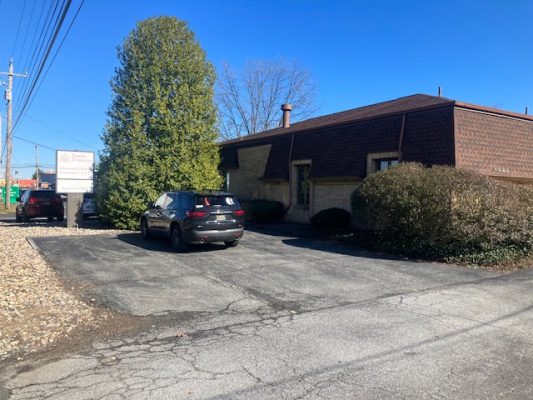
Part of the Smyrna Community for the Long Haul
Glenwood Dental Associates is located at 17 West Glenwood Avenue in downtown Smyrna, a straightforward drive from Dover via Route 13 and from Kenton via Route 300. Dr. Brian Wisk, a University of Pennsylvania School of Dental Medicine graduate and Christiana Care residency alumnus, has practiced in this community for decades.
Rather than handing patients a generic printed sheet on the way out, Dr. Wisk walks through expected recovery and warning signs before the appointment ends. Patients leave knowing exactly what normal looks like and when something warrants a call.
The First 24 Hours After a Dental Filling
The initial period after a filling is when patients are most likely to notice sensitivity, mild soreness, or an unusual sensation around the treated tooth. This is normal and typically resolves within a day or two.
If you received local anesthesia, numbness will wear off within one to three hours. Avoid biting your cheek, tongue, or lip during this window, and skip very hot foods and drinks until full sensation returns. Composite fillings are hardened immediately during the procedure, so you can eat once the anesthesia wears off. Start with softer foods for the first day as a precaution.
If your bite feels slightly off after the numbness fades, contact our office. This is a simple adjustment Dr. Wisk can make quickly. If you experience sharp or throbbing pain, significant swelling, or sensitivity that worsens after 48 hours, call Glenwood Dental Associates at (302) 653-5011. These symptoms may indicate the filling needs adjustment or the tooth requires further evaluation.
Ongoing Dental Filling Care: Daily Habits That Make a Difference
Once the initial recovery period passes, caring for a filling comes down to consistent habits that protect both the restoration and the surrounding tooth structure.
 Maintain a Consistent Oral Hygiene Routine
 Maintain a Consistent Oral Hygiene Routine
Brush twice daily with a soft-bristle toothbrush and fluoride toothpaste. Soft bristles matter because harder bristles gradually wear away the filling material at the margins and irritate gum tissue around the treated area. Floss once daily to remove plaque and debris from between teeth and along the gumline. Gentle, circular brushing motions clean effectively without stressing the restoration. Thoroughness matters far more than force.
Be Mindful of What You Eat and Drink
Certain foods create mechanical stress on fillings while others introduce acids and sugars that accelerate decay at restoration margins.
Avoid or limit: hard candies, ice, popcorn kernels, sticky foods like taffy or chewing gum, sugary snacks, acidic beverages like soda and citrus juice.
Choose more often: water, fresh vegetables, lean proteins, dairy products, and whole grains that support enamel strength and gum health.
Acidic foods and drinks soften enamel and erode the margins where a filling meets the tooth, creating gaps where bacteria can enter. Rinsing with water after acidic foods neutralizes the pH quickly. Sticky foods exert a pulling force on fillings, which can loosen the bond between the material and the tooth over time.
Night Guards for Bruxism
 Night Guards for Bruxism
 Grinding or clenching teeth during sleep is one of the most common causes of premature filling wear. The repeated pressure can crack or chip composite material and stress the adhesive bond. If Dr. Wisk identifies signs of bruxism during your exam, a custom night guard is one of the most effective ways to protect your restorations.
Avoid Tobacco Products
Tobacco in any form increases the risk of gum disease and decay, both of which undermine the foundation of a restoration. Smoking also causes surface staining on composite fillings over time, gradually dulling their appearance.
Signs Your Filling May Need Attention
Knowing what to look for allows you to seek care before a minor issue becomes a more involved procedure.
 Sensitivity that develops or worsens weeks or months after placement can signal decay beneath the filling or a crack in the restoration.
 - A rough or sharp edge that your tongue keeps finding suggests the margin has chipped or the material is wearing unevenly.
- A change in how your bite feels, where teeth no longer meet comfortably, may mean the filling has shifted or another tooth is compensating.
- Visible darkening at the margins of a filling often indicates secondary decay forming at the edge of the restoration.
- A filling that feels loose or has partially dislodged should be evaluated immediately.
 Sensitivity
 An exposed cavity is vulnerable to rapid decay and temperature sensitivity, but not all filling problems cause pain. Regular dental exams are the only reliable way to catch issues before they require more extensive treatment.
Frequently Asked Questions
Mild sensitivity to temperature, pressure, or sweet foods is common in the days following a filling and typically resolves within one to two weeks. The degree of sensitivity varies depending on how deep the cavity was — restorations that extend closer to the nerve of the tooth may take a bit longer to settle. If sensitivity persists beyond two weeks or seems to be intensifying rather than improving, it is worth calling our Smyrna office so Dr. Wisk can evaluate whether the filling needs adjustment or further assessment.
Yes, you can resume brushing and flossing as soon as any anesthetic has worn off — typically within a few hours of your appointment. Using a soft-bristled toothbrush and gentle pressure around the treated tooth is recommended, especially in the first week. Flossing between the filled tooth and its neighbors helps clear bacteria and food debris, and there is no need to avoid the area. If flossing causes pain or the floss shreds consistently in one spot, mention it at your next visit.
Common indicators include new or worsening sensitivity, a rough or sharp edge you can feel with your tongue, visible staining or darkening at the edges of the filling, a change in how your bite feels, or a sense that the filling has cracked or loosened. Not all filling problems cause pain, which is why regular dental exams are so important. Dr. Wisk uses both visual inspection and digital X-rays during your checkups at Glenwood Dental Associates to assess the condition of all restorations — catching issues early before they require more extensive treatment.
Contact Glenwood Dental Associates as soon as possible at (302) 653-5011 to schedule an evaluation. A tooth with a missing filling is exposed and vulnerable to rapid decay, temperature sensitivity, and structural damage. In the meantime, avoid chewing on that side of your mouth, keep the area clean, and avoid very hot, cold, or sweet foods that may trigger discomfort. Temporary over-the-counter filling materials are available at pharmacies and can provide short-term protection if you cannot be seen right away.
There are no foods that must be permanently eliminated, but some are worth limiting on an ongoing basis for the sake of your filling and overall oral health. Hard foods like ice and hard candies create fracture risk, sticky foods like taffy and chewing gum can stress the bond between the filling and tooth, and highly acidic or sugary foods and beverages accelerate decay at restoration margins. Rinsing with water after consuming acidic foods and drinks is a simple habit that makes a meaningful difference over time.
Schedule Your Dental Filling Check-Up in Smyrna, DE
Whether you recently had a dental filling placed or want to make sure an older restoration is still holding up, Glenwood Dental Associates is here to help. Proactive care is always simpler and more cost-effective than waiting for a problem to become urgent.
Call us at (302) 653-5011 to schedule your appointment. Glenwood Dental Associates welcomes patients from throughout the Smyrna, DE area, including those coming from Dover, Clayton, and Kenton. All care is provided at our single location at 17 West Glenwood Avenue in Smyrna, and we look forward to seeing you.