
Did You Get a Tooth Knocked Out? Act Fast. Glenwood Dental Associates Can Help.
A knocked-out tooth is one of the most time-sensitive situations in all of dentistry. Every minute that passes between the injury and professional treatment reduces the likelihood that the tooth can be saved. If a tooth has been completely dislodged from its socket, you need to move quickly: handle the tooth correctly, store it properly, and get to a dentist without delay.
Glenwood Dental Associates in Smyrna, DE, provides emergency dental care for knocked-out teeth, and Dr. Brian Wisk is experienced in reimplantation procedures that give displaced teeth the best possible chance. We serve patients from Smyrna and the neighboring communities of Dover, Clayton, and Kenton.
Call (302) 653-5011 immediately. Tell us what happened, and we will get you in as fast as possible.
A Familiar Face and a Steady Hand in Smyrna
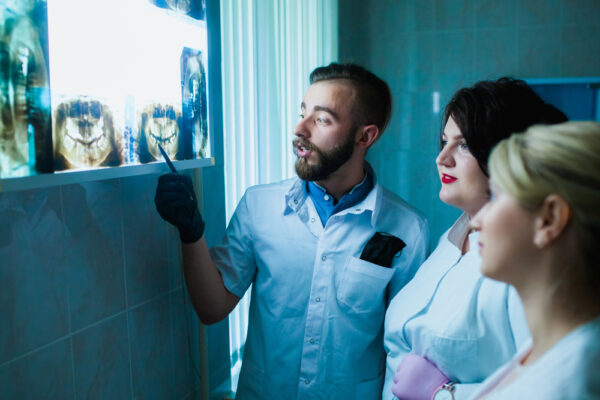 Dental emergencies are stressful under the best circumstances, and a knocked-out tooth is one of the more alarming ones. Dr. Brian Wisk’s calm, experienced approach to emergencies is something patients consistently notice and appreciate. He graduated from the University of Pennsylvania School of Dental Medicine, completed a dental residency at Christiana Care, and has maintained active membership in the American Dental Association and the Academy of General Dentistry throughout his career.
His Smyrna dental practice at 17 W Glenwood Avenue has served the community for many years, and patients from Dover, Clayton, and Kenton know they’re in capable hands when they come through our door in an emergency. The goal is always the same: save the tooth if we can, restore your smile either way, and make sure you leave with clear answers.
What Is a Knocked-Out Tooth?
A knocked-out tooth, clinically referred to as an avulsed tooth, is a tooth that has been completely displaced from its socket due to trauma. The tooth may come out intact, or it may be fractured in the process. Either way, this is a genuine dental emergency. The periodontal ligament fibers that attach the tooth root to the surrounding bone are living tissue, and their survival outside the mouth is limited. With the right actions taken immediately and professional reimplantation within 30 to 60 minutes, there is a meaningful chance of saving the natural tooth.
Immediate Steps to Take — Every Minute Matters
What you do in the minutes following a knocked-out tooth injury has a direct impact on whether the tooth can be successfully reimplanted. Follow these steps carefully:
 Find the tooth: Locate it as quickly as possible. Pick it up by the crown, avoiding the root. The root surface contains delicate ligament cells that are essential for successful reimplantation, and handling the root can damage them.
- Rinse gently if needed: If the tooth is visibly dirty, rinse it briefly (no more than 10 seconds) with clean water or milk. Do not scrub it, use soap, or wrap it in a dry cloth or paper towel.
- Try to reinsert it: If the patient is calm and conscious and there is no risk of swallowing the tooth, try placing it back into the socket. Face it the correct direction, press it gently into place, and bite down softly on a clean cloth to hold it. This is the single best storage environment for a knocked-out tooth.
- If reinsertion isn’t possible, store it correctly: Place the tooth in a container of milk (the preferred option), or tuck it between the cheek and gum of the person it came from. A tooth preservation solution from a first aid kit is also appropriate. Never store a knocked-out tooth in plain water, as it damages the root cells rapidly.
- Get to our office immediately: Call us at (302) 653-5011 on your way. Reimplantation is most successful when performed within 30 minutes and becomes significantly less likely to succeed beyond 60 minutes.
 Find the tooth
Common Causes of Knocked-Out Teeth
Avulsed teeth are most common in situations involving sudden impact to the face or mouth. Understanding the most frequent causes can also help with prevention going forward:
- Sports Injuries: Contact sports, including football, basketball, hockey, soccer, and martial arts, are among the leading causes of knocked-out teeth in both children and adults. A well-fitted mouthguard dramatically reduces this risk.
- Falls and Accidents: Trips, falls, and vehicle accidents can produce the kind of sudden facial impact that dislodges a tooth, particularly in young children and older adults.
- Physical Altercations: Blows to the face are a common cause of dental trauma, often resulting in displacement or fracture.
- Biting on Hard Objects: Chewing ice, biting into unexpectedly hard food, or using teeth on non-food items can occasionally dislodge a tooth, particularly one that has been weakened by prior damage or dental work.
What to Expect at Your Emergency Visit
Dr. Wisk follows a careful, proven protocol when treating a knocked-out tooth. From the moment you arrive at our Smyrna office, the focus is on saving the tooth and protecting the surrounding structures.
- Assessment: Digital X-rays are taken to evaluate the socket, check for fractures in the surrounding bone, and assess the condition of adjacent teeth. A clinical exam follows to evaluate the soft tissue and determine whether reimplantation is viable.
- Cleaning and preparation: The tooth and the socket are gently cleaned to remove debris and reduce bacterial contamination before the tooth is repositioned.
- Reimplantation: If the tooth is viable, Dr. Wisk carefully reinserts it into the socket and stabilizes it with a splint, a temporary brace that connects the reimplanted tooth to neighboring teeth, holding everything in place while healing begins.
- Medications, if needed: Antibiotics may be prescribed to reduce infection risk, and pain management will be addressed so you’re comfortable during recovery.
- Root canal follow-up: Reimplanted teeth typically require root canal therapy within one to two weeks of the injury. Once the tooth is displaced, the pulp tissue inside generally cannot survive, and the root canal is removed before it causes problems. This step is a normal part of the process, not a complication.
Call us at (302) 653-5011 before you arrive if you can; giving us a few minutes’ notice allows us to prepare for your arrival.
Preventing Knocked-Out Teeth
Not every dental injury is avoidable, but the risk of losing a tooth to trauma is meaningfully lower when the right precautions are in place:
- Wear a mouthguard during sports: A custom-fitted mouthguard from our office provides far superior protection compared to a stock or boil-and-bite option. If you or your child plays any contact or collision sport, this is one of the most worthwhile investments you can make in dental health.
- Wear appropriate safety gear: Helmets and face shields during cycling, skating, or construction work protect the head and mouth from impact.
- Avoid using teeth as tools: Opening bottles, tearing packages, or prying objects with your teeth puts unnecessary stress on tooth structure and increases fracture and displacement risk.
- Address tooth-grinding: Chronic bruxism weakens teeth over time, making them more susceptible to fracture and displacement under impact. A custom nightguard can protect your teeth while you sleep.
- Maintain regular dental checkups: Routine visits allow Dr. Wisk to identify teeth that may be at elevated risk due to weakening, decay, or compromised prior work.
 Wear a mouthguard during sports
Frequently Asked Questions
Not always, but the odds are significantly better than many people assume when action is taken immediately. A tooth reimplanted within 30 minutes has a reimplantation success rate that can reach 90% under the right conditions. That rate drops meaningfully as time passes, and after two hours outside the socket, the prognosis becomes much less favorable. The tooth’s storage medium also matters: milk preserves the root cells far better than plain water, which rapidly damages them. Quick action, correct handling, and prompt professional care give the tooth its best possible chance.
The answer depends on whether it’s a primary (baby) tooth or a permanent tooth, and this distinction is critical. Baby teeth are generally not reimplanted because attempting to do so can damage the developing permanent tooth underneath. However, the child should still be brought in promptly so Dr. Wisk can evaluate the socket, check for any injury to the jaw or surrounding teeth, and monitor the area as the permanent tooth develops. For a permanent tooth, the same urgency applies as with adults: act immediately, handle the tooth correctly, and get to our office as fast as possible.
If the knocked-out tooth is accompanied by significant head trauma, loss of consciousness, severe facial injuries, or uncontrolled bleeding, an emergency room should be your first stop. For an isolated knocked-out tooth without other injuries, a dental office is the right destination. Emergency rooms can manage pain and trauma, but they are not equipped to perform tooth reimplantation or provide the dental-specific assessment the situation requires. If you’re able to call us on your way, do so. We’ll be ready when you arrive.
If reimplantation isn’t successful or the tooth isn’t a viable candidate, tooth replacement options are available. Dental implants are the most functionally and aesthetically effective long-term solution. A dental bridge is another option, anchoring a replacement tooth to the adjacent natural teeth. Dr. Wisk will walk you through both options, including timing and costs, so you can make a well-informed decision about next steps.
Don’t Wait. Contact Glenwood Dental Associates the Moment It Happens.
When a tooth gets knocked out, the clock starts immediately. The actions you take in the next few minutes, and the speed with which you reach professional care, are the two biggest factors in whether that tooth can be saved. Dr. Brian Wisk and the team at Glenwood Dental Associates are ready to respond to exactly these situations.
Call (302) 653-5011 right now for our Smyrna emergency dentist. We serve patients from Dover, Clayton, Kenton, and throughout central Delaware, and we will do everything in our power to see you immediately and give your tooth the best possible outcome.