
Emergency Dental Care in Smyrna When You Need It Most
A broken or missing dental crown is more than just uncomfortable. It leaves the underlying tooth exposed, vulnerable, and in need of attention sooner rather than later. Whether your crown cracked while eating, fell off unexpectedly, or was lost entirely, the situation calls for prompt professional care.
At Glenwood Dental Associates in Smyrna, DE, Dr. Brian Wisk handles all dental emergencies with the same calm efficiency he brings to every situation. We serve patients from Smyrna and the surrounding communities of Dover, Clayton, and Kenton who need reliable care quickly. Call (302) 653-5011 to speak with our Smyrna team and get your appointment scheduled as soon as possible.
Experienced, Community-Rooted Emergency Dental Care
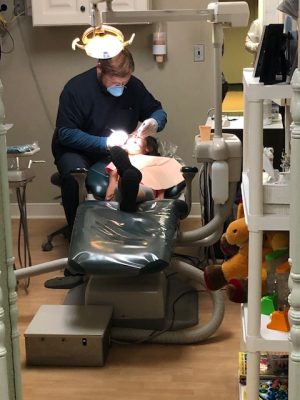 Dr. Brian Wisk has been providing dental care to Smyrna patients long enough to have seen and treated just about every kind of dental situation that walks through the door. He graduated from the University of Pennsylvania School of Dental Medicine, completed a residency at Christiana Care, and holds memberships in the American Dental Association and the Academy of General Dentistry.
His office at 17 W Glenwood Avenue is easy to reach from throughout central Delaware, and patients from Dover, Clayton, and Kenton choose Glenwood Dental Associates because they know they’ll get honest, thorough care from someone who has been a consistent presence in this community for many years. When you come to us with a broken crown and a side of anxiety, we’ll make the process straightforward and get you taken care of.
What Is a Dental Crown and Why Do They Break?
A dental crown is a custom-fabricated cap placed over a damaged, weakened, or heavily restored tooth to restore its shape, strength, and appearance. Crowns are made from a range of materials, including porcelain, ceramic, porcelain-fused-to-metal, or full metal, and are designed to be durable. With proper care, a crown can last 10 to 15 years or longer. But durable is not the same as indestructible, and a variety of circumstances can compromise even a well-made crown.
Common Causes of Broken or Lost Crowns
Understanding what leads to crown failure can help prevent future problems after your current situation is resolved:
- Trauma or impact: A blow to the mouth, a fall, or biting down on something unexpectedly hard can crack, chip, or dislodge a crown.
- Tooth decay beneath the crown: If decay develops in the tooth structure under the crown, the foundation weakens, and the crown can become loose or destabilize entirely.
- Poor fit or failed cement: A crown that wasn’t seated optimally from the outset, or one whose dental cement has deteriorated over the years of use, may eventually loosen.
- Bruxism (teeth grinding): Chronic grinding places continuous, excessive force on crowns and significantly accelerates wear, particularly on porcelain.
- Hard or sticky foods: Chewing ice, biting hard candy, or eating very sticky foods can dislodge or crack a crown.
- Age and material fatigue: All materials degrade over time. A crown that has served you well for 10 or 15 years may simply be at the end of its functional lifespan.
Symptoms of a Broken or Compromised Crown
Not all crown failures are immediately obvious. Some patients don’t realize anything is wrong until a piece comes off at an inconvenient moment. Signs that your crown may be broken or failing include:
 Sharp or throbbing pain in the crowned tooth, especially when biting
- Sensitivity to hot, cold, or sweet foods that wasn’t present before
- A visible crack, chip, or missing section of the crown
- The crown feels loose, wobbly, or moves when you press it
- Gum irritation, swelling, or tenderness around the base of the crowned tooth
- A rough surface you can feel with your tongue, where the crown used to be smooth
 Sharp or throbbing pain in the crowned tooth, especially when biting
Any of these symptoms warrants a call to our Smyrna office. Reach us at (302) 653-5011, and we’ll assess the urgency and get you in quickly.
What to Do Before Your Appointment
Finding yourself with a broken or missing crown can feel alarming, but the steps for managing the situation at home are straightforward. The goal is to protect the tooth and stay comfortable until Dr. Wisk can see you.
- Stay calm and assess the situation: Determine whether the crown is still partially attached, completely off, or broken in place. Avoid chewing on that side of your mouth regardless.
- Retrieve and save the crown: If it’s come off, locate it, rinse it gently, and store it in a clean container or small bag. Bring it to your appointment. Depending on the condition of the crown and the underlying tooth, it may be possible to re-cement it.
- Protect the exposed tooth: Rinse your mouth with warm saltwater to clean the area. Apply temporary dental cement (available at most pharmacies) or dental wax to cover the exposed tooth surface and reduce sensitivity. Sugar-free chewing gum can work in a pinch, though it’s not ideal.
- Manage pain and sensitivity: Ibuprofen or acetaminophen can help with discomfort. A cold compress applied to the outside of your cheek can reduce any localized swelling. Avoid foods and drinks at temperature extremes until you’re seen.
- Do not use household adhesives: Super glue and other non-dental adhesives are not safe for use in the mouth. They can damage both the crown and the tooth and make professional re-cementation significantly more difficult.
- Call us: Reach out to Glenwood Dental Associates at (302) 653-5011 as soon as possible. A lost or broken crown is time-sensitive — the exposed tooth is vulnerable to decay, sensitivity, and further structural damage.
How Dr. Wisk Treats Broken and Lost Crowns
Treatment depends on the condition of the crown itself and the state of the tooth underneath it. Dr. Wisk will take digital X-rays and examine the area thoroughly before recommending a course of action.
Re-cementing the original crown is the simplest resolution and is possible when the crown is fully intact and the underlying tooth is structurally sound with no new decay. The crown is cleaned, the tooth surface is prepared, and the crown is bonded back into place. This can often be completed in a single, relatively short appointment.
Crown repair covers situations where the crown has minor chips or cracks but remains largely intact. Composite resin or other materials can be used to restore the crown’s surface and function without requiring full replacement.
Crown replacement becomes necessary when the crown is too damaged to function reliably, has broken into multiple pieces, or can no longer fit the tooth properly due to changes in the underlying structure. Dr. Wisk will prepare the tooth, take impressions for a new custom crown, and place a temporary crown to protect the tooth while the permanent restoration is fabricated. The final crown is placed at a follow-up appointment.
Addressing underlying issues is sometimes needed before a new crown can be placed. If decay has developed beneath the failed crown, it must be removed and the tooth rebuilt before a new restoration is appropriate. In some cases, this may involve a filling, a post-and-core build-up, or root canal therapy if the decay has reached the pulp. When a tooth is beyond restoration, extraction followed by implant or bridge placement may be the path forward.
Preventing Future Crown Problems
Once the immediate issue is resolved, a few habits can help extend the lifespan of any crown and reduce the risk of future emergencies:
- Avoid chewing ice, hard candy, popcorn kernels, and other hard foods that place excessive stress on dental restorations
- If you grind your teeth at night, ask Dr. Wisk about a custom nightguard. Bruxism is one of the most common contributors to premature crown failure
- Wear a mouthguard during contact sports to protect both natural teeth and existing dental work
- Brush twice daily and floss carefully around the crown. Decay at the margin where the crown meets the tooth is a leading cause of crown failure, and it’s preventable.
- Keep your regular cleaning and exam appointments so Dr. Wisk can monitor the condition of your crowns and catch any signs of wear or loosening before they become emergencies
 Avoid chewing ice, hard candy, popcorn kernels, and other hard foods that place excessive stress on dental restorations
Frequently Asked Questions
It depends on the severity of the situation. If the crown has come off entirely, the underlying tooth is exposed and vulnerable to decay, sensitivity, and further damage. If the crown is cracked but still in place and you’re not in significant pain, you may have a short window of flexibility, but you should still call us promptly so we can assess the situation. Delaying treatment consistently leads to more complicated and costly resolutions, and a tooth that could have been saved with a simple re-cementation can deteriorate quickly without its protective covering.
Temporary dental cement from a pharmacy is a safe, appropriate short-term measure to protect the exposed tooth while you wait for your appointment, and we’d encourage you to use it. However, household adhesives like super glue should never be used in the mouth. They are toxic, they can damage the crown and the underlying tooth structure, and they can make professional re-cementation significantly more difficult or impossible. Bring the crown to your appointment intact and let Dr. Wisk handle the rebonding properly.
Re-cementing an intact crown can often be accomplished in a single appointment lasting 30 to 60 minutes. Repairing a chipped or cracked crown with composite resin is similarly straightforward. Replacing a crown with a new one involves at least two appointments, typically spaced a few weeks apart. During that time, a temporary crown protects the tooth. Dr. Wisk’s team will walk you through the expected timeline clearly at your first appointment.
Decay beneath a crown is not uncommon, particularly with older restorations or in patients who have had difficulty maintaining hygiene at the crown margin. When decay is present, it must be fully removed before a new crown can be placed. Depending on the depth and extent of the decay, treatment may involve a simple filling, a more substantial build-up procedure, or root canal therapy if the infection has reached the pulp. Dr. Wisk will give you a complete picture of what’s involved after the exam and X-rays, so there are no surprises.
Protect Your Smile. Contact Glenwood Dental Associates Today.
A broken or missing crown won’t get better on its own, and the tooth underneath it needs protection. Dr. Brian Wisk and the team at Glenwood Dental Associates are ready to evaluate your situation and get your smile back on track with the most appropriate, conservative care available.
Call our dental office at (302) 653-5011 to schedule your emergency appointment in Smyrna. We welcome patients from Dover, Clayton, Kenton, and throughout central Delaware, and we look forward to being the dental team you trust when it matters most.