
Do You Need an Emergency Dentist in Smyrna?
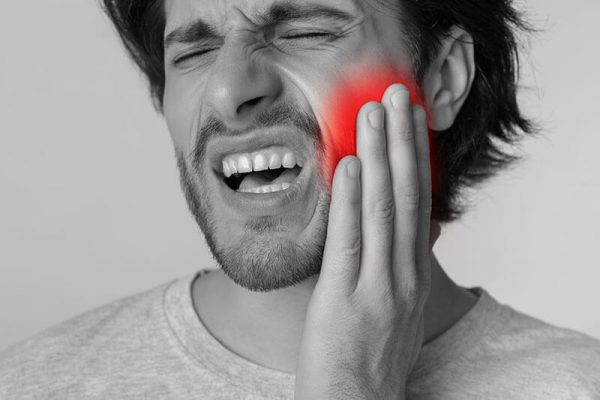 Tooth pain has a way of making everything else stop. One moment you’re going about your day, and the next, a sharp, throbbing ache has taken over your entire focus. A toothache isn’t just uncomfortable. It’s often your mouth’s way of signaling that something needs attention now. At Glenwood Dental Associates, Dr. Brian Wisk and our team provide fast, compassionate emergency toothache treatment for patients in Smyrna, DE, and the surrounding communities of Dover, Clayton, and Kenton. We get to the source of the pain and take care of it.
Call (302) 653-5011 to reach our Smyrna dental office and get seen as quickly as possible.
Compassionate Care in the Heart of Smyrna
Dr. Brian Wisk has been serving the Smyrna community for decades, and emergency care is one area where his calm, methodical approach makes a real difference. Patients in pain don’t need to feel rushed or dismissed. They need answers and relief. Dr. Wisk is a graduate of the University of Pennsylvania School of Dental Medicine, maintains active membership in the American Dental Association and the Academy of General Dentistry, and brings that depth of training to every urgent situation that walks through our door. Our office at 17 W Glenwood Avenue is easy to find and straightforward to reach from Dover, Clayton, and Kenton, so getting help when you need it doesn’t have to be complicated.
What Causes a Toothache?
A toothache is tooth or jaw pain caused by irritation, infection, or damage to the tooth, its root, or the surrounding tissue. The intensity can range from a dull background ache to searing, pulsing pain that makes it impossible to concentrate. What matters most is identifying the cause, because treatment depends entirely on it.
Common causes of toothaches include:
- Tooth Decay (Cavities): Bacteria erode enamel and eventually reach the sensitive inner layers of the tooth, triggering pain that worsens over time.
- Dental Abscess: A bacterial infection that forms a pocket of pus at the root or in the surrounding gum tissue, often causing severe, radiating pain alongside swelling.
- Cracked or Fractured Tooth: A break in the tooth can expose the nerve directly, causing sharp pain when biting or chewing.
- Gum Disease: Infected, inflamed gum tissue can cause significant discomfort and sensitivity around the teeth.
- Impacted Wisdom Teeth: A wisdom tooth that can’t fully emerge may press against neighboring teeth and cause persistent pressure and pain.
- Damaged Dental Work: A failing filling, loose crown, or compromised restoration can leave the tooth underneath exposed and vulnerable.
- Teeth Sensitivity: Worn enamel or exposed root surfaces can cause brief but intense pain when the tooth contacts hot, cold, or sweet substances.
- Referred Pain: Sinus infections, TMJ disorders, and even ear problems can produce sensations that feel exactly like a toothache.
When a Toothache Becomes a Dental Emergency
Not every twinge needs an emergency dental visit. But some toothaches absolutely do, and waiting too long in those situations can turn a manageable problem into a serious one. Contact Glenwood Dental Associates right away if you’re experiencing any of the following:
 Severe pain that doesn’t improve with over-the-counter pain relievers
- Swelling in the face, jaw, or gums, especially if it’s visibly growing.
- Fever, chills, or a general sense of illness alongside tooth pain
- Difficulty swallowing or breathing (go to an emergency room immediately if this occurs)
- A pimple-like bump or visible pus on the gum near the painful tooth
- A tooth that feels suddenly loose or has been knocked out
- Pain following a dental procedure that’s getting worse rather than better
 Severe pain that doesn’t improve with over-the-counter pain relievers
Call us at (302) 653-5011. Our Smyrna dental team will assess your situation and get you in as quickly as we can.
Steps to Take While You Wait
If you can’t get to our office immediately, these interim steps can help manage pain and limit the risk of complications before your appointment:
- Rinse with warm saltwater: Dissolve half a teaspoon of salt in eight ounces of warm water and rinse gently. This helps reduce bacterial activity and soothe inflamed tissue.
- Apply a cold compress: Hold an ice pack wrapped in a cloth against the outside of your cheek for 15 to 20 minutes at a time. Cold reduces swelling and temporarily numbs the area.
- Take an appropriate OTC pain reliever: Ibuprofen (an anti-inflammatory) is often more effective for dental pain than acetaminophen, but either can help. Follow package dosing instructions and never place aspirin directly on the gum tissue.
- Use a topical anesthetic: Benzocaine gels available at most pharmacies can temporarily numb the area around a painful tooth.
- Elevate your head when sleeping: Blood pooling in the head and face can intensify pain. Keeping your head elevated with an extra pillow may reduce throbbing discomfort overnight.
- Avoid temperature extremes: Hot coffee, ice water, and anything that triggers the pain should be avoided until you’re seen.
These measures buy time. They don’t address what’s actually wrong. Call us so we can.
How Dr. Wisk Treats Emergency Toothaches
Treatment at Glenwood Dental Associates begins with a thorough evaluation: digital X-rays, a clinical exam, and a conversation about your symptoms and history. From there, Dr. Wisk recommends the most conservative treatment that fully addresses the problem.
Depending on what’s causing your pain, treatment may include:
- Dental Fillings: When decay is the culprit, removing the damaged tooth structure and placing a tooth-colored composite filling stops the pain and restores the tooth in a single appointment.
- Root Canal Therapy: When infection has reached the inner pulp of the tooth, a root canal removes the infected tissue, cleans and seals the canals, and preserves the natural tooth. Modern root canal treatment is far more comfortable than its reputation suggests. Most patients are relieved by how manageable it is with proper local anesthesia.
- Tooth Extraction: When a tooth is too damaged or infected to save, extraction may be the appropriate choice. Dr. Wisk performs extractions with care and always discusses replacement options, so you understand your path forward.
- Antibiotics or Drainage: If an active infection is present and spreading, antibiotics may be prescribed alongside dental treatment to eliminate bacteria systemically. An abscess may be drained to provide immediate pressure relief.
- Crown or Dental Bonding: A cracked or chipped tooth causing pain can often be restored with dental bonding for minor damage or a crown for more significant structural compromise.
- Gum Disease Treatment: When periodontal disease is driving the discomfort, scaling and root planing removes bacterial buildup below the gumline and gives the gum tissue a chance to heal.
Preventing Future Toothaches
Once the immediate pain is resolved, the goal is to make sure it doesn’t come back. A few consistent habits go a long way:
- Brush twice daily with a fluoride toothpaste and a soft-bristle brush
- Floss every day to remove plaque and debris from between teeth where your brush can’t reach
- Keep your regular checkup and cleaning appointments; early detection is the most reliable way to avoid emergencies
- Ask Dr. Wisk about dental sealants or fluoride treatments if you or your child are prone to cavities
- Limit sugar and acidic foods, which feed the bacteria responsible for decay
- Wear a mouthguard during sports and, if you grind at night, ask about a custom nightguard
 Brush twice daily with a fluoride toothpaste and a soft-bristle brush
Frequently Asked Questions
If your tooth pain has lasted more than one to two days, is severe enough to interfere with eating or sleeping, or is accompanied by swelling, fever, or visible infection, it qualifies as a dental emergency. Waiting in those situations risks allowing an infection to spread or a damaged tooth to worsen significantly. Pain that responds well to ibuprofen and resolves quickly may be monitored briefly, but anything persistent or escalating warrants a call to our office. When in doubt, call us and describe your symptoms. We’ll help you figure out how urgently you need to be seen.
Rinsing with warm saltwater and taking ibuprofen is the most effective short-term combination for most types of tooth pain. Applying a cold compress to the outside of your cheek can reduce swelling and temporarily blunt the sensation. Benzocaine gel from a pharmacy can provide localized numbing at the gum surface. These approaches are useful stopgaps, but none of them treat the underlying cause. Only a dental evaluation and appropriate treatment will actually resolve the pain and prevent it from returning or worsening.
Occasionally, mild tooth sensitivity or minor irritation resolves without treatment, but significant toothaches rarely do. If the pain is caused by decay, infection, a crack, or gum disease, those conditions don’t self-correct. An infection, in particular, can appear to quiet down temporarily before flaring again with greater severity. Persistent tooth pain should always be evaluated, because the earlier a problem is caught, the more treatment options are available and the less involved those treatments tend to be.
Root canal therapy has a well-known but largely undeserved reputation for being painful. The procedure is performed under local anesthesia, and most patients report that the treatment itself is no more uncomfortable than getting a filling. The pain that preceded the root canal is typically far worse than anything experienced during the procedure. After treatment, some mild soreness for a day or two is normal and manageable with over-the-counter pain relievers. Most patients feel significantly better within 24 to 48 hours of the appointment.
Don’t Let Tooth Pain Wait. Contact Glenwood Dental Associates Today.
Tooth pain is your body telling you something is wrong, and the longer it’s ignored, the more complicated and costly the solution tends to become. Dr. Brian Wisk and the team at Glenwood Dental Associates are here to help you get out of pain and back to your life, quickly and comfortably.
Call our Smyrna, DE, dental office at (302) 653-5011 to schedule your emergency dental appointment. We welcome patients from Dover, Clayton, Kenton, and throughout central Delaware and will do everything we can to see you as soon as possible.