
Emergency Dental Treatment When You Need It at Glenwood Dental Associates
 Some dental problems can wait a few days for a routine appointment. A dental abscess is not one of them. An abscess is a bacterial infection that has progressed to the point of forming a pocket of pus in or around a tooth, and left unaddressed, it doesn’t just stay in your mouth. The infection can spread to your jaw, neck, or bloodstream, with consequences that can become life-threatening.
At Glenwood Dental Associates in Smyrna, DE, Dr. Brian Wisk provides emergency dental care for abscesses and tooth infections, offering fast relief and effective treatment when you need it most. We serve patients from Smyrna and the surrounding communities of Dover, Clayton, and Kenton.
If you’re in pain or noticing signs of infection, call (302) 653-5011 right now.
Trusted Emergency Dental Care in Smyrna
Dr. Brian Wisk has treated Smyrna patients through dental emergencies for many years, and the calm, direct approach he takes to situations like abscesses reflects both his clinical training and his genuine investment in the people he sees. He earned his Doctor of Dental Medicine from the University of Pennsylvania and completed a dental residency at Christiana Care, giving him a clinical foundation that goes well beyond general practice.
When you come to our office at 17 W Glenwood Avenue in a genuine dental emergency, you’re being seen by someone who has handled these situations many times and knows how to get you through them. Patients from Dover, Clayton, and Kenton make the drive to Smyrna regularly, and they leave understanding exactly what happened and what comes next.
What Is a Dental Abscess?
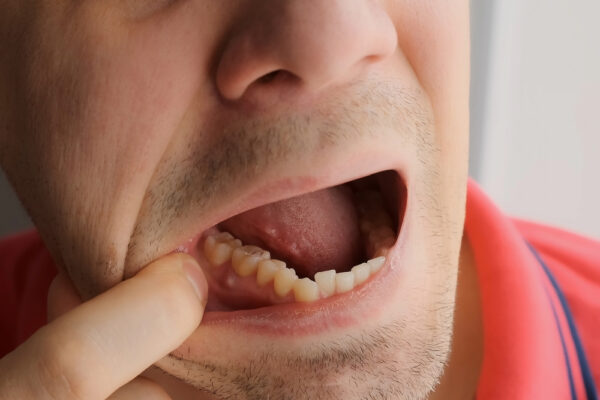 A dental abscess is a localized infection caused by bacteria that invade the interior of a tooth or the surrounding gum tissue, resulting in a collection of pus and, typically, significant pain. The infection develops when bacteria reach areas of the mouth they shouldn’t, usually through untreated decay, a crack in the tooth, or the pockets created by advanced gum disease. Without professional treatment, the infection cannot resolve on its own and will continue to advance.
There are three types of dental abscesses, each originating in a slightly different location:
- Periapical Abscess: Forms at the tip of the tooth’s root, most often as a result of untreated cavities or dental trauma that allows bacteria to reach the pulp.
- Periodontal Abscess: Develops in the gum tissue and supporting bone alongside a tooth, typically connected to gum disease or debris trapped in a periodontal pocket.
- Gingival Abscess: Confined to the surface gum tissue, often triggered by a foreign object lodged in the gums.
Symptoms of a Dental Abscess
Dental abscesses tend to make themselves known. The symptoms are often difficult to ignore, though some patients attempt to manage the pain at home for far longer than is safe. Recognizing what you’re dealing with is the first step toward getting the right care.
Common signs of a tooth abscess include:
- Severe, throbbing tooth pain that may radiate to the jaw, ear, or neck
- Facial, cheek, or gum swelling
- A pimple-like bump on the gum near the affected tooth, which may drain a foul-tasting fluid
- Redness and tenderness in the gum tissue surrounding the tooth
- Fever or chills, which indicate the infection may be spreading beyond the mouth
- Bad breath or a persistent bad taste that doesn’t go away with brushing
- Difficulty chewing, fully opening the mouth, or swallowing
Seek care immediately or go to an emergency room if you have swelling that is spreading rapidly, difficulty breathing, or difficulty swallowing. These are signs that the infection may be affecting the airway.
For all other abscess symptoms, call our Smyrna dental office at (302) 653-5011 and let our team know what you’re experiencing.
What Causes a Dental Abscess?
Abscesses don’t develop randomly. They form when bacteria gain access to protected areas of the tooth or gums, and certain conditions make that more likely:
- Untreated Tooth Decay: A cavity that goes unaddressed allows bacteria to penetrate through enamel and dentin until they reach the pulp, the living center of the tooth.
- Gum Disease: Advanced periodontitis creates pockets between the teeth and gums where bacteria accumulate and can eventually cause a periodontal abscess.
- Dental Trauma: A cracked, chipped, or broken tooth can open a pathway for bacteria even without visible decay.
- Failing Dental Work: A leaking filling, damaged crown, or incomplete restoration may allow bacteria to re-enter a previously treated tooth.
- Poor Oral Hygiene: Inadequate brushing and flossing allow plaque to build up and harden into tartar, creating conditions where infections are far more likely to develop.
- Compromised Immune Function: Patients managing conditions like diabetes or those taking immunosuppressive medications face a higher risk of oral infections and should be particularly proactive about dental care.
What to Do Before Your Appointment
If you suspect you have a dental abscess and are waiting to be seen, the following steps can help manage discomfort and reduce risk in the meantime:
- Rinse with warm saltwater: Mix one teaspoon of salt into a glass of warm water and rinse gently several times a day. This won’t cure the infection, but it can reduce bacterial load and provide mild relief.
- Take over-the-counter pain relievers: Ibuprofen is generally more effective for dental infections than acetaminophen because it addresses inflammation as well as pain. Follow package dosing directions.
- Apply a cold compress: Hold an ice pack wrapped in a cloth against your cheek for 15 minutes at a time to reduce swelling and blunt the pain temporarily.
- Avoid temperature extremes: Hot and cold foods or drinks tend to aggravate abscessed teeth. Stick to room-temperature, soft foods.
- Do not attempt to drain the abscess yourself: This is important. Squeezing or puncturing the abscess can push bacteria deeper into surrounding tissue and significantly worsen the infection.
These steps manage symptoms. They do not treat the infection. Please call us as soon as possible.
How We Treat Dental Abscesses at Glenwood Dental Associates
Dr. Wisk’s priority at your emergency appointment is pain relief and accurate diagnosis. Digital X-rays allow him to assess the extent of infection and determine exactly which type of abscess you’re dealing with. Treatment will depend on the severity and location of the infection.
Draining the Abscess
For many patients, this step brings the most immediate relief. Dr. Wisk makes a small incision to allow the pus to drain, relieving the pressure that’s driving much of the pain. This is performed under local anesthesia, so you remain comfortable throughout.
Root Canal Therapy
When a periapical abscess has infected the tooth’s pulp, a root canal is typically the most appropriate way to save the tooth. The infected pulp is removed, the interior of the tooth is thoroughly cleaned and disinfected, and the tooth is sealed to prevent reinfection. A crown is often placed afterward to protect the restored tooth.
Tooth Extraction
When a tooth has been too severely compromised by infection or decay to be saved, dental extraction removes the source of infection entirely. Dr. Wisk will discuss replacement options, so the gap doesn’t become a long-term problem.
Antibiotics
If there are signs that the infection has spread beyond the immediate site, or if you have a medical condition that affects immune function, Dr. Wisk may prescribe antibiotics alongside dental treatment. Antibiotics alone cannot clear an abscess, but they play an important supporting role when systemic spread is a concern.
Preventing Dental Abscesses
Most abscesses are preventable with consistent oral care and regular professional attention. The habits that prevent cavities and gum disease are the same habits that prevent abscesses:
 Brush twice a day thoroughly using a fluoride toothpaste
- Floss daily to clear the spaces between teeth where bacteria accumulate
- Attend biannual dental cleanings and exams so that early decay and gum disease are caught and treated before they can progress
- Limit sugary and acidic foods that feed the bacteria responsible for decay
- Wear a mouthguard during contact sports to protect against tooth trauma
- Quit smoking, which significantly increases the risk of gum disease and slows healing after treatment
 Brush twice a day thoroughly using a fluoride toothpaste
Frequently Asked Questions
A dental abscess tends to produce more intense, sustained pain than a typical toothache, and it’s almost always accompanied by additional symptoms that distinguish it from ordinary tooth sensitivity. Look for visible swelling in the face or jaw, a pimple-like bump on the gum near the painful tooth, fever, a foul taste in the mouth, or swollen lymph nodes under the jaw. Any one of those signs alongside tooth pain strongly suggests an abscess rather than straightforward decay or sensitivity. That said, the only way to know for certain is an examination and X-rays, which is why calling us when something feels seriously wrong is always the right move.
No. A dental abscess requires professional treatment to resolve. The infection has no mechanism for self-clearing. The bacteria continue to thrive in the pus-filled pocket, and the infection will persist or spread without intervention. It may feel like the pain eases temporarily, which some patients interpret as improvement, but that often happens because the abscess has ruptured, not because the infection is gone. The underlying infection remains and continues advancing. Delaying treatment increases both the complexity of what’s required and the risk of spread to surrounding structures.
In most cases, a patient who seeks care promptly will be treated effectively before any serious systemic complication arises. However, a dental abscess left untreated long enough can spread to the jaw, neck, or bloodstream in a condition called sepsis, which is genuinely life-threatening and requires hospitalization. This is not meant to cause alarm. It’s meant to reinforce why this type of infection shouldn’t be managed indefinitely with pain relievers and saltwater rinses. If you have significant facial swelling, fever, or any difficulty breathing or swallowing, seek emergency room care immediately rather than waiting for a dental appointment.
It depends on where the abscess originated and how much of the tooth remains viable. A periapical abscess typically calls for root canal therapy to remove the infected pulp and save the tooth. In cases where the tooth is too compromised, extraction may be the better choice. A periodontal or gingival abscess may be treated through drainage and periodontal therapy without necessarily involving the tooth’s interior. Dr. Wisk will evaluate your specific situation and walk you through exactly what’s needed before any treatment begins.
Call Our Smyrna Emergency Dentist. Don’t Wait on an Abscess.
A dental abscess is a serious infection that becomes harder to treat the longer it’s left alone. The good news is that with prompt professional care, the pain can be relieved quickly and the infection fully addressed. Dr. Wisk and the team at Glenwood Dental Associates are ready to see you as soon as possible.
Call (302) 653-5011 to reach our Smyrna, DE, dental office today. We welcome patients from Dover, Clayton, Kenton, and throughout central Delaware who need urgent, reliable dental care from a team they can trust.