
Know When to Visit Your Dentist for a Dental Crown
 Dental crowns serve as protective caps that restore damaged teeth, improve their appearance, and help maintain your long-term oral health. At Glenwood Dental Associates in Smyrna, DE, we help patients from Dover, Clayton, and Kenton identify when dental crowns might be necessary for their oral health needs.
If you’re experiencing dental problems or have concerns about your teeth, understanding the signs that indicate a need for a dental crown can help you seek timely treatment. Call (302) 653-5011 to schedule your consultation with our Smyrna dentist today.
The Smyrna Smile Solution: Our Unique Approach to Dental Crowns
Comprehensive Services for All Ages
We offer a full range of dental services tailored to meet your needs, including:
- Preventive care (exams, cleanings, digital X-rays)
- Restorative treatments (crowns, bridges, fillings, dentures, root canals)
- Cosmetic dentistry (veneers, bonding, in-office whitening)
- Dental implants and periodontal care (gum disease treatment and maintenance)
- Emergency dental services
Our advanced technology, such as digital X-rays, intra-oral and extra-oral photography, ensures precise and comfortable treatments.
Glenwood Dental Associates is a trusted, family-oriented dental practice proudly serving the Smyrna, DE community and surrounding areas, including Clayton, Dover, Middletown, Odessa, and Townsend. Led by Dr. Brian Wisk, we focus on delivering compassionate, personalized care in a warm and welcoming environment to help you achieve and maintain a healthy, confident smile.
Don’t wait until a minor dental issue becomes a major problem. Call our Smyrna office at (302) 653-5011 to discuss how dental crowns can preserve your natural teeth and enhance your smile.
Do You Need a Dental Crown? Key Indicators
Severe Tooth Decay or Cavities
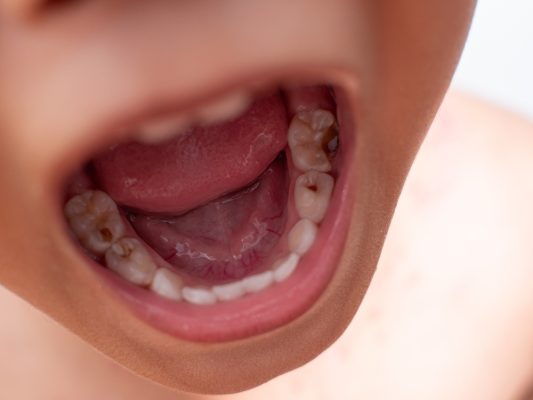 When tooth decay progresses beyond what a simple filling can repair, a dental crown becomes a necessary solution to save your tooth and prevent further damage.
- Persistent Pain or Sensitivity: Do you feel sharp pain when eating hot or cold foods? This discomfort might signal that decay has reached the tooth’s nerve, indicating the need for a crown to protect the tooth after treatment.
- Visible Signs of Decay: Dark spots, noticeable holes, or large pits on your tooth surface suggest advanced decay. Our Smyrna dental team can evaluate these symptoms and determine if a crown will help restore your tooth’s structure and function.
Cracked or Fractured Teeth
Accidents happen, and teeth can crack or fracture due to trauma, biting hard objects, or even normal wear over time.
- Pain When Chewing: If you experience discomfort while eating, a crack might be widening under pressure. A dental crown distributes biting forces more evenly, stabilizing the tooth and reducing pain.
- Temperature Sensitivity: Cracked teeth often cause sharp pain when exposed to hot or cold temperatures. This sensitivity occurs because the crack allows substances to reach the sensitive inner layers of your tooth.
- Visible Damage: Sometimes you can see cracks or fractures on your tooth surface. These can range from small hairline cracks to more substantial breaks that threaten the tooth’s integrity.
- Soft Tissue Irritation: Rough or jagged edges from a cracked tooth can irritate your tongue or cheeks. A crown provides a smooth surface that eliminates this irritation.
Large or Failing Dental Fillings
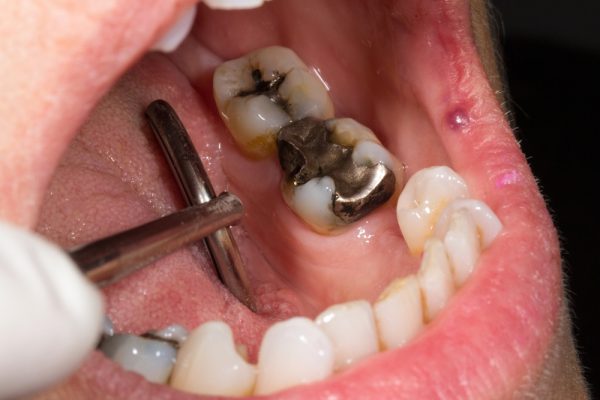 Teeth with large fillings often become weak over time and may need the additional support that only a crown can provide.
- Deteriorating Fillings: Fillings don’t last forever. If your filling has cracked, fallen out, or shows signs of wear, a crown might be necessary to prevent further damage to the remaining tooth structure.
- Increased Sensitivity: When large fillings begin to fail, you might notice increased sensitivity around the entire tooth. This discomfort signals that the filling no longer adequately protects your tooth.
- Discomfort When Biting: Pain when biting down can indicate that a filling has weakened the tooth structure. A crown can reinforce the tooth and eliminate this discomfort.
Post-Treatment Protection with Dental Crowns
Root Canal Treatment
After a root canal procedure, your tooth becomes more brittle and susceptible to damage. A dental crown provides the necessary protection to maintain the treated tooth’s function and prevent fracture.
- Structural Reinforcement: Root canal therapy removes the tooth’s pulp, leaving it hollow and vulnerable. A crown adds strength and prevents the tooth from breaking during normal use.
- Complete Restoration: The crown seals the tooth after treatment, preventing bacteria from re-entering and causing new infections.
Have you recently had a root canal? Contact Glenwood Dental Associates at (302) 653-5011 to discuss crown options that will protect your investment in saving your natural tooth.
Dental Bridge Support
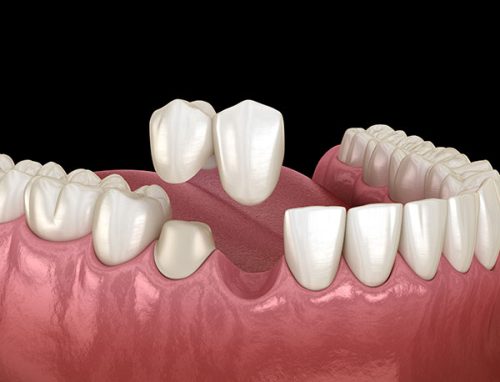 When replacing missing teeth with a dental bridge, the neighboring teeth require crowns to provide strong anchors for the bridge.
- Stable Foundation: Crowns on adjacent teeth create a solid foundation for your bridge, ensuring it stays securely in place.
- Even Distribution of Force: The crowns help distribute the forces of biting and chewing across multiple teeth, preventing excessive stress on any single tooth.
Aesthetic Dental Concerns
Dental crowns aren’t just for damaged teeth—they can also address cosmetic dental issues that affect your smile’s appearance.
Misshapen or Severely Discolored Teeth
If you have teeth that are naturally misshapen or severely stained in ways that whitening can’t fix, dental crowns offer an effective solution.
- Uniform Appearance: Crowns can create a more uniform appearance in your smile by masking teeth that are irregularly shaped or sized.
- Color Correction: For teeth with intrinsic staining that doesn’t respond to whitening treatments, crowns provide a permanent solution for a brighter smile.
Worn Teeth from Grinding (Bruxism)
Teeth grinding can wear down your teeth over time, changing your bite and affecting your smile’s appearance.
- Restored Shape and Function: Crowns can rebuild the natural shape of worn teeth, restoring proper function and appearance.
- Protection Against Further Wear: The durable materials used in modern crowns resist the forces of grinding better than natural tooth enamel.
- Relief from Symptoms: By restoring proper tooth height and alignment, crowns can help reduce jaw pain and headaches associated with teeth grinding.
Signs of a Cracked or Damaged Tooth That Shouldn’t Be Ignored
Identifying tooth damage early can help prevent more serious dental problems down the road. Pay attention to these warning signs:
 Inconsistent Pain: Pain that comes and goes, especially when biting down or releasing pressure, often indicates a crack.
- Sensitivity to Sweet Foods: Unusual sensitivity to sugary foods can signal that decay or a crack has exposed the inner layers of your tooth.
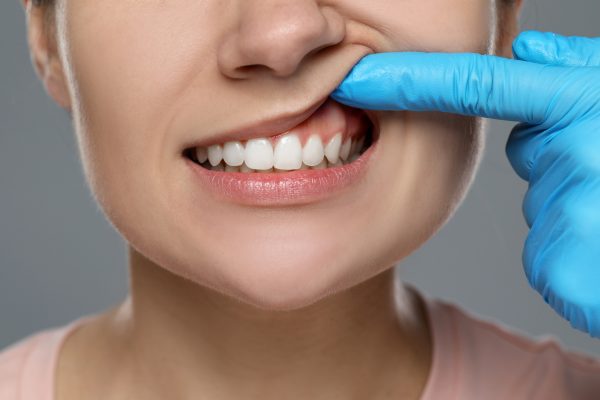
- Gum Swelling Around a Specific Tooth: Inflammation around one tooth may indicate damage requiring a crown to repair.
- Difficulty Flossing Between Certain Teeth: If floss catches or tears between specific teeth, it could mean a tooth has a rough edge or fracture.
 Inconsistent Pain
If you notice any of these symptoms, don’t delay seeking professional advice. Call Glenwood Dental Associates at (302) 653-5011 to schedule an evaluation. Patients from Smyrna, Dover, Clayton, and Kenton trust our team to provide timely, effective solutions for dental concerns.
Frequently Asked Questions
Delaying a recommended dental crown can lead to progressive deterioration of the affected tooth. Without proper protection, a cracked or weakened tooth may fracture further, potentially extending below the gumline and requiring extraction rather than restoration. Bacteria can penetrate deeper into damaged teeth, causing infections that might necessitate root canal therapy or even spread to surrounding tissues. What begins as a straightforward crown procedure can evolve into more complex, painful, and expensive dental work if postponed.
Yes, many teeth receive crowns without needing root canal treatment. Crowns are often placed on teeth with large fillings, cracks, or after trauma without involving the tooth’s nerve. However, if decay has reached the pulp of your tooth or if you’re experiencing significant pain, your dentist might recommend a root canal before placing the crown to prevent future complications.
Restore Your Smile with Dental Crowns at Glenwood Dental Associates
Don’t let damaged or weakened teeth affect your quality of life. Dental crowns provide an effective solution to restore both function and appearance to compromised teeth. Our experienced team at Glenwood Dental Associates in Smyrna, DE, is ready to help you determine if a dental crown is right for your situation.
We provide comprehensive dental services in Smyrna for patients throughout Delaware, including those from Dover, Clayton, and Kenton. Our modern facility, combined with our commitment to patient comfort, ensures you receive the highest standard of care during your dental crown procedure.
Take the first step toward a restored, confident smile by calling (302) 653-5011 to schedule your consultation. Our friendly staff can answer your questions about dental crowns, discuss payment options, and help you find an appointment time that fits your schedule. Your healthy, complete smile is our priority at Glenwood Dental Associates.